Build vs Buy: Should You Build Stories In-House?
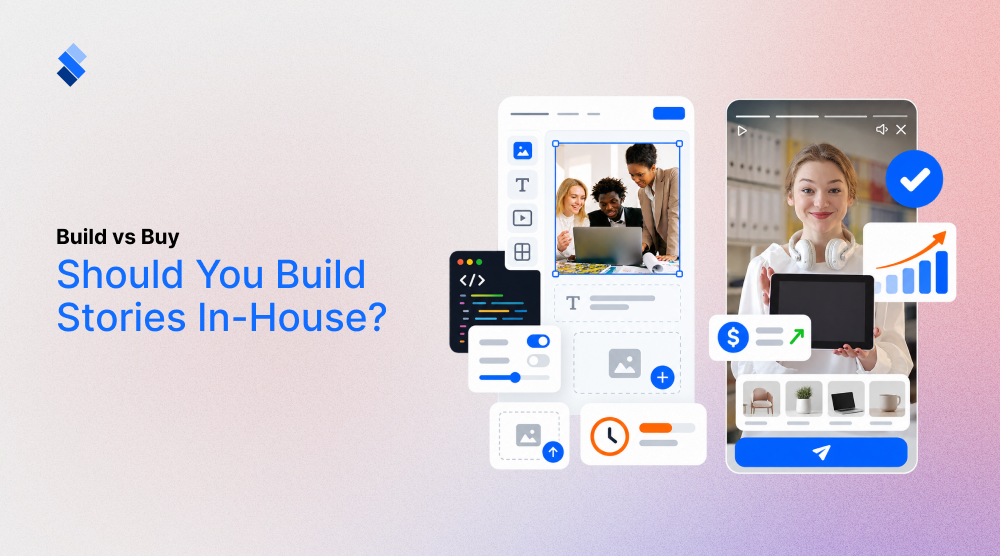
Creating content sounds fun in theory. You go about mixing and matching visuals, writing funny content, and finding sounds that enhance the feel of it all. If you have any creative inclinations, this sounds like a dream. But what if you simply need content for marketing purposes? More specifically, story content. Should you build stories in-house or should you hire a company to handle it for you? These questions are something that all brand managers ask themselves. And it is something that we will try to answer.
The case for hiring content creators
Let's first explore why hiring a content creator, or a full marketing team, can be quite a good idea.
Not worrying about content creation
Let's not beat around the bush. A good content creator can do you a world of good, especially if they are a part of a dedicated marketing team. If they have a decent understanding of your brand, they can look to distill it into engaging content. And if there is good communication between them and sales, they can help boost your revenue and establish a decent online presence.
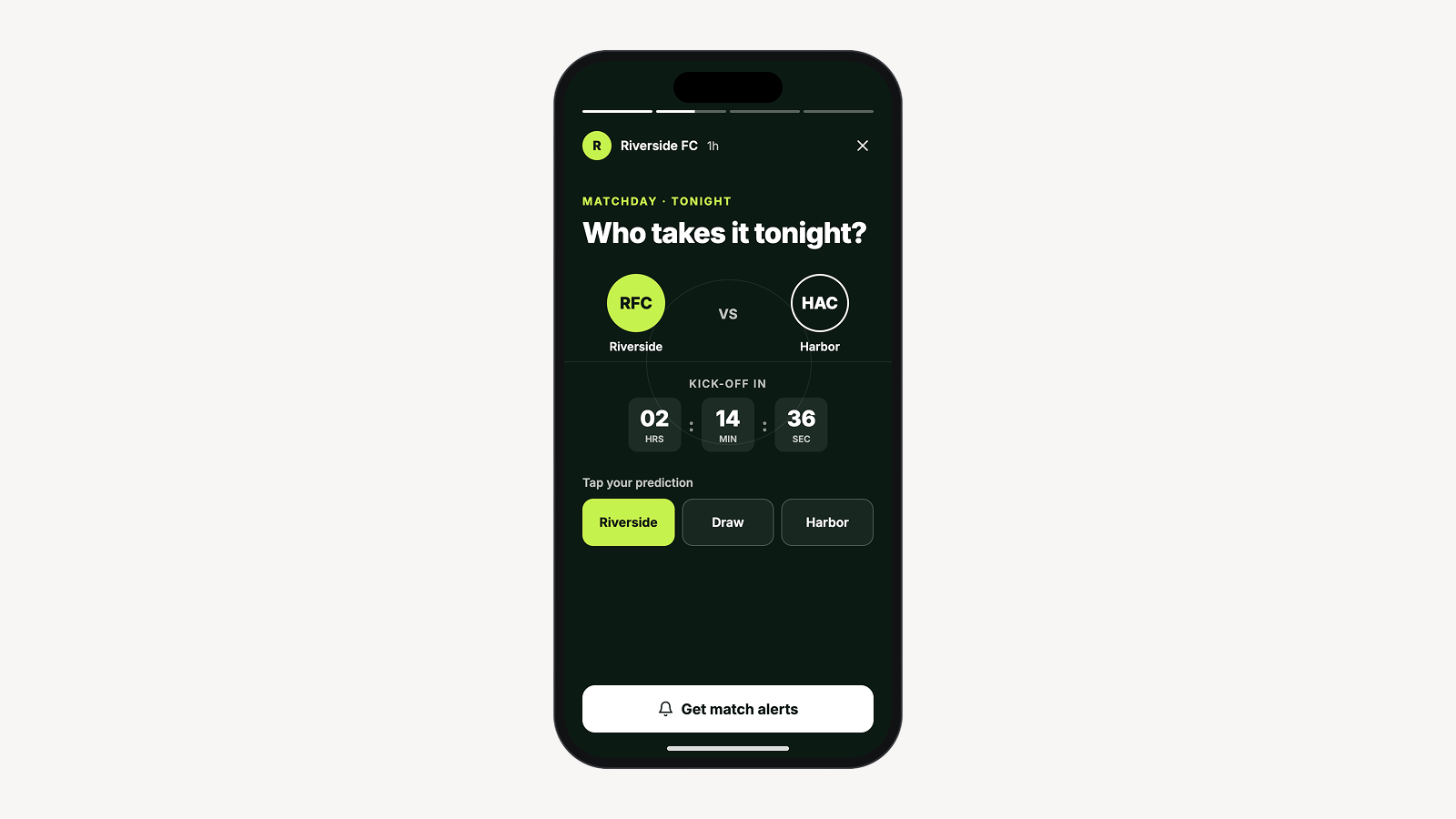
Not having to worry about content also saves you from learning the tools and processes of doing so. Even an intuitive platform like StorifyMe will require you to learn the basics of visual design and color combination. And you have to reinvent your approach every once in a while, just to not get stale. Decent content creation is not something you can do on a whim. It requires dedication over a long period of time, which is why so many brands still opt to hire third-party content creators.
No need to keep up with trends
This part of content creation is something that beginners often overlook. Namely, if you want your content to reach and engage with an audience, you need to keep up with content marketing trends. Does this mean following every trend to the letter? Of course not. In fact, doing so would be detrimental to your brand as you would seem like a trend-chaser. Instead, you need to follow trends and jump on those that work with your brand and for your target audience.
This, as you can imagine, can be arduous. You'd need to actively track both your competitors and social media to find the right trend at the right time. This is why it is beneficial to hand this over to people who are already paid to follow marketing trends.
Predictable cost
Let's say that you wanted to create your own stories and you opt for StorifyMe. The Growth plan starts at $400. It gives you a dedicated workspace, widgets, elements, templates, and easy Instagram & TikTok integration. Is this enough to run a full long-term content campaign? Well, it can be. But what about analytics? Are you creating content on your own or will you have to hire a freelancer? If something work-related comes up, you might have to postpone content creation. Should you focus on solving an immediate problem or let irregular publishing create a different one? Should you invest more in quality visuals or should you look to increase quantity? Alas, as John Wanamaker famously puts it: “Half the money I spend on advertising is wasted; the trouble is I don't know which half.”
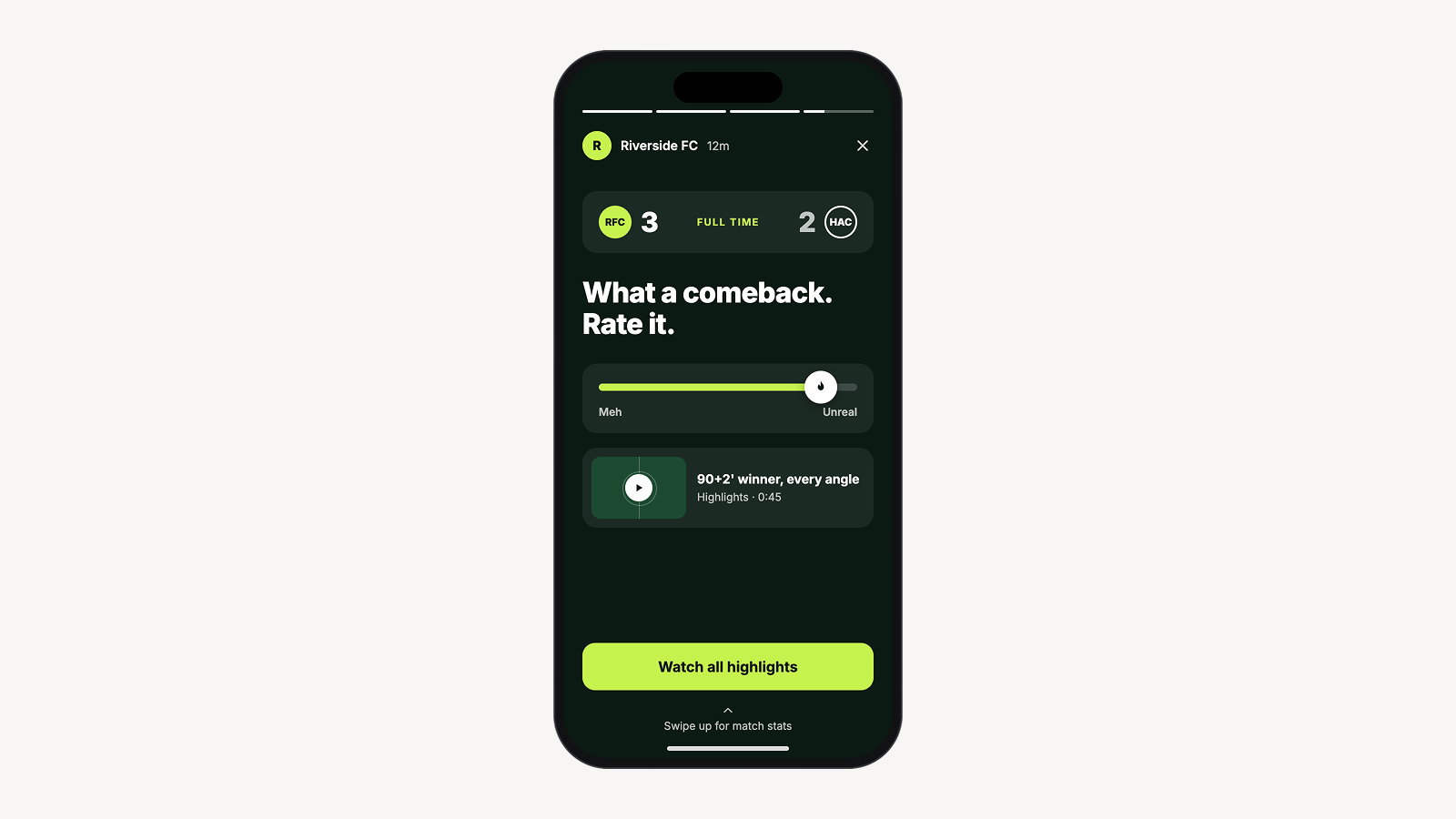
If you opt to hire someone, you don't have to worry about this. It is their job to keep up with the agreed schedule, monitor the analytics, and design your content. Your job is to simply check whether you are getting your money's worth from them.
Building stories in-house
Now that we've covered the "Buy" argument, let's focus on the "Build in-house". As you'll soon see, there are clear reasons why, even though a third-party agency can handle your marketing, you should still do it on your own.
Permanent benefit
Marketing isn't simply about pushing a brand message. Dealing with marketing helps you understand your audience. Mind you, not your customers per se. The sales team likely knows how to engage, re-engage, and keep customers loyal to your brand. They try their best to predict customer needs and provide the right product/service at the right time. But customers are one thing. Audience is another.
How you present yourself to someone who has never heard of you is marketing. How you distill your brand into something worth considering is a skill on its own. This is not something you can develop by simply providing a product and working with people who know what you are all about. Marketing puts you in the uncomfortable position of navigating the treacherous waters of online attention and figuring out how to stand out. This experience can be invaluable as it provides hands-on knowledge of audience attention, tone, style, and narrative.
Gathering first-party data
Knowing whether your audience liked or disliked your Story content is one thing. But knowing the specific details about your audience and how they interact with your Stories is quite another. The data you can gather from native Story content includes:
- Completion rate – whether viewers watched to the end or dropped off partway
- Tap-forward/tap-back rate – indicates whether content held attention or felt skippable
- Exit rate – percentage of viewers who left the Story entirely at a given point
- Story replies (DMs) – qualitative feedback and direct engagement
- Shares/reposts – how often a Story is forwarded or shared to others
- Profile visits generated from the Story – downstream engagement/interest signal
- Follows generated from the Story – conversion from viewer to follower
- Time of day/day of week engagement patterns – when your audience is most active
- Audience demographics – age, gender, location breakdowns of viewers (aggregated)
- New vs. returning viewers – audience growth vs. retention
- Highlight saves – which Story content viewers considered worth saving for later
- Screenshot/screen-recording notifications (where available) – strong interest signal
Information such as this not only enables you to create engaging Story content, but also helps you make informed business decisions. Knowing who views your stories, how often they return, and what they screenshot gives you valuable data on what your viewers find important.
Greater design control
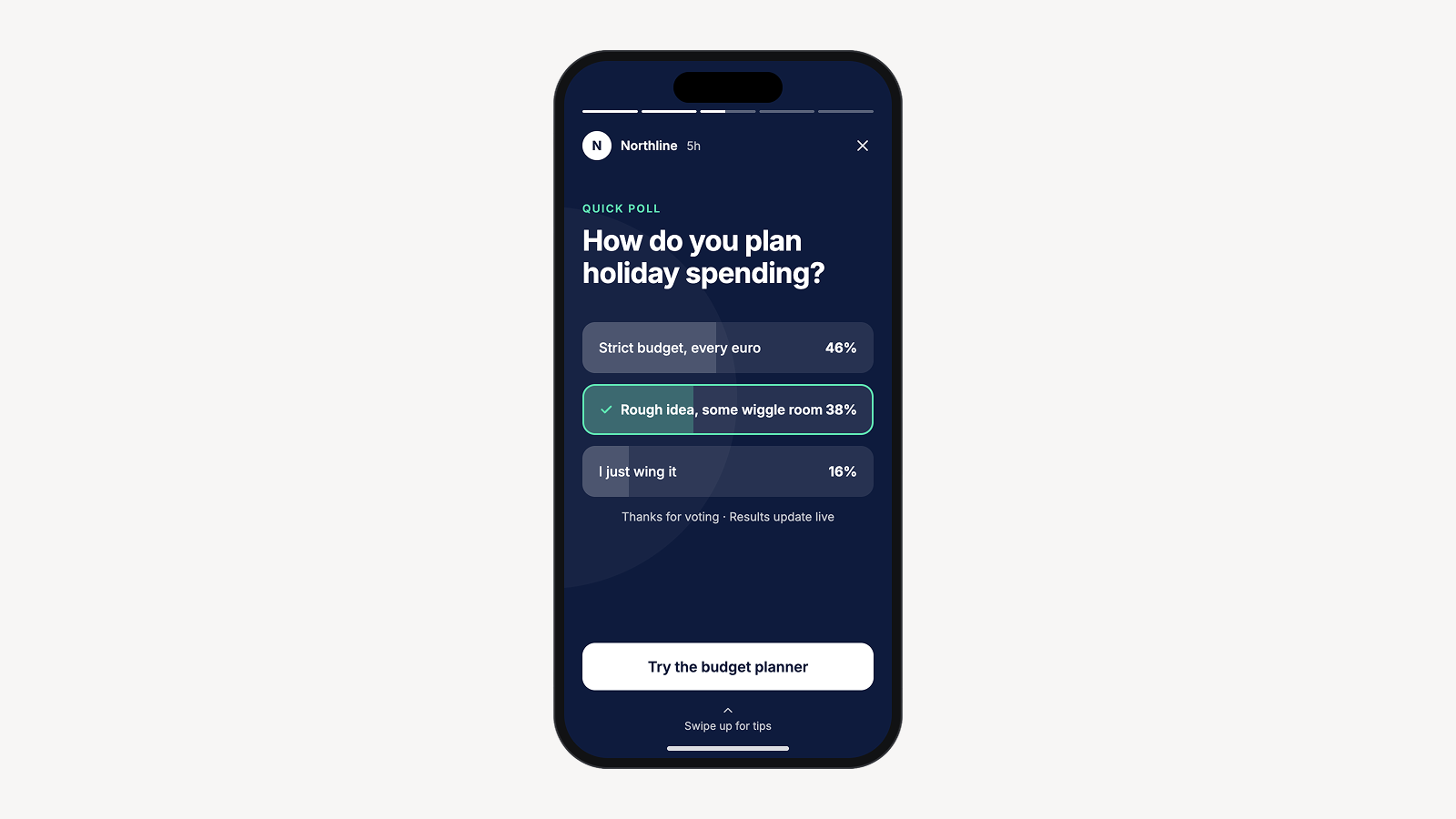
When you start working with a marketing agency, they will usually opt for a couple of templates that they feel will best represent your brand. While there is nothing inherently wrong with templates, they can be a bit constraining. Namely, we often like to mention how there is no end to how creative and interesting Story content can be. Therefore, we are saddened when creators don't use 10% of what Stories can be. Mind you, you cannot expect marketing agencies to go the extra mile. They will provide you with Story content that will do its job. But if you want true creativity and to put real soul behind your content, you need to go at it on your own.
Meaningful connection with other platforms
Stories can simply be a fun little add-on to your everyday content. A scrollable feed users can enjoy and engage with. But they can be so much more. Story content can onboard new users, present new information in an engaging way, and help bridge the user experience over different platforms.
Say that you want people to head from your app to your website. You could add a button that simply leads to a link. But what if you needed to personalize the push towards the website? Well, while you cannot change your app on a whim, you certainly can add a personalized Story as a useful bridge. A good Story will not only point to a different online experience, but put the person in the right mood for it. Brief, clear, and intuitive to follow, an interactive Story will lead the user's attention wherever you need. If designed properly, it will neither be jarring enough to ruin the in-app experience, nor will it be blended in to the point that you do not notice it.
Going from one platform to another should be seamless and intuitive.
Interactive and shoppable elements
We've written before how Shoppable Stories are a must-have for any eCommerce brand looking to engage mobile shoppers. Well, it is also a decent argument why in-house built Stories beat bought content every day of the week. Namely, if you are an eCommerce brand, you should always be looking to connect sales and marketing. To the point where the two are essentially the same thing.
Well, this is not really feasible if your marketing is handled by a third-party company. By the time you coordinate between your sales and their marketing, it will be too much. The time, the potential for miscommunication, the mistakes you will have to go back and correct... All of it will far outweigh the cost of simply making your own content.
Final verdict
If marketing is more of an afterthought for you. An obligation that you need to deal with, even though you really don't want to, opt for "Buy". Better to have a marketing company handle your marketing responsibly than you going about it halfheartedly. If, on the other hand, you feel that your marketing is an important part of your brand, go at it on your own. Modern tools and AI have made content creation easier than ever. This doesn't mean that it is easy. Just that it doesn't have such a steep learning curve as it once did. Once you get into it and start learning and experimenting, you will find what role Story content will best serve and how you can make it an integral part of your online presence.