How Cashify Generated 1.5M Monthly Sessions with Google Web Stories
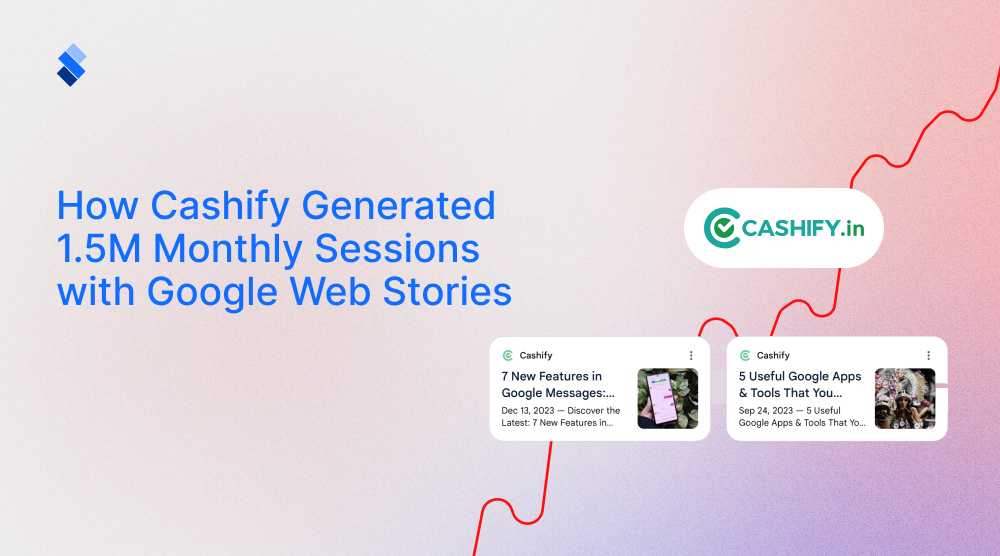
Most content strategies focus on engagement. But engagement alone doesn’t scale traffic. Distribution does.
Cashify, one of India’s leading recommerce platforms for buying and selling used electronics, didn’t just want to educate users, they wanted to unlock new organic traffic channels.
By introducing Google Web Stories into their content strategy, Cashify generated 1.5 million sessions per month in just two months, with individual stories reaching over 150,000 sessions. (StorifyMe) For a content-driven platform competing in a crowded gadget space, that’s not an incremental growth. It’s a new acquisition engine. This case study breaks down what Cashify did, why it worked, and what other content-driven platforms can replicate.
The Problem: Content That Didn’t Scale Discovery
Cashify already had a strong content foundation:
- product reviews
- comparison articles
- buying guides
But like most content platforms, they faced a core challenge: Content was informative,but not always discoverable. Two key problems emerged:
1. Educational Content Was Hard to Consume
Cashify’s content helped users:
- choose the right gadget
- understand product differences
- decide when to buy or sell
But much of it lived in long-form formats. For mobile users, that meant:
- more effort
- lower completion
- reduced engagement
2. Limited Organic Discovery Channels
Traditional SEO and articles were already in place.
But relying only on:
- search rankings
- blog traffic
…created a ceiling for growth. The team wanted to tap into new, scalable organic channels beyond standard web content. (StorifyMe)
The Solution: Google Web Stories as a Traffic Engine
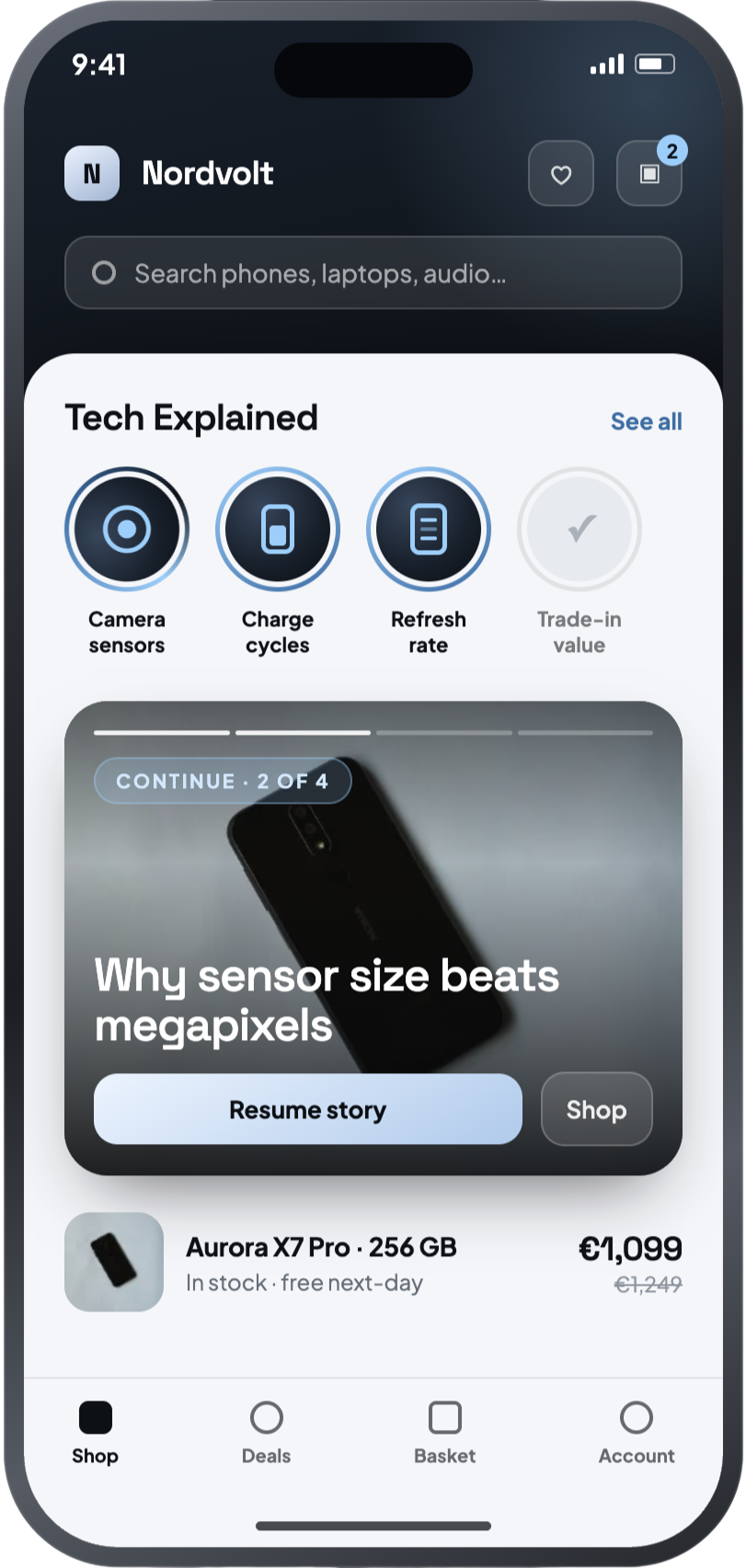
Cashify introduced Web Stories as a new content layer designed for:
- mobile-first consumption
- visual storytelling
- discoverability through Google surfaces
The goal wasn’t to replace articles. It was to amplify them. Several elements made the rollout effective:
Turning Articles into Visual Stories
Instead of creating content from scratch, Cashify repurposed existing articles into:
- short, tappable story formats
- “Top gadgets” lists
- quick comparisons and highlights
This allowed them to scale story production without increasing editorial workload.
Optimizing for Mobile Consumption
Stories were built for:
- vertical viewing
- fast navigation
- short attention spans
Users could consume key insights in seconds, without reading full articles.

Leveraging Google Distribution
Unlike traditional content, Web Stories don’t rely only on search rankings. They appear across:
- Google Discover
- mobile search
- visual content feeds
This expanded Cashify’s reach beyond their existing audience.
The Results: 1.5M Sessions in Two Months
The impact was immediate, and driven by organic discovery.
Traffic Growth
- 1.5 million sessions per month from Web Stories within two months (StorifyMe)
- Individual stories reaching 150,000+ sessions (StorifyMe)
Content Performance
- Stories became a new, scalable acquisition channel
- High-performing topics (like “Top gadgets”) drove repeat traffic
Speed to Results
- Rapid growth achieved in a short timeframe
- No dependency on paid acquisition
Why This Works: Format + Distribution = Scale
Cashify’s results follow a clear pattern.
Stories match how users consume content
Mobile users prefer:
- short
- visual
- interactive
Stories deliver information in the format users already expect.
Distribution is built-in
Unlike traditional blog content, Web Stories are:
- surfaced by Google
- pushed into discovery feeds
- optimized for mobile visibility
This removes reliance on ranking alone.
Content becomes reusable
One article can become:
- a blog post
- a story
- multiple distribution formats
This multiplies reach without multiplying effort.
What Other Content Platforms Can Replicate
Cashify’s approach is highly transferable:
1. Turn existing content into stories
Start with:
- top-performing articles
- list-based content
- comparison guides
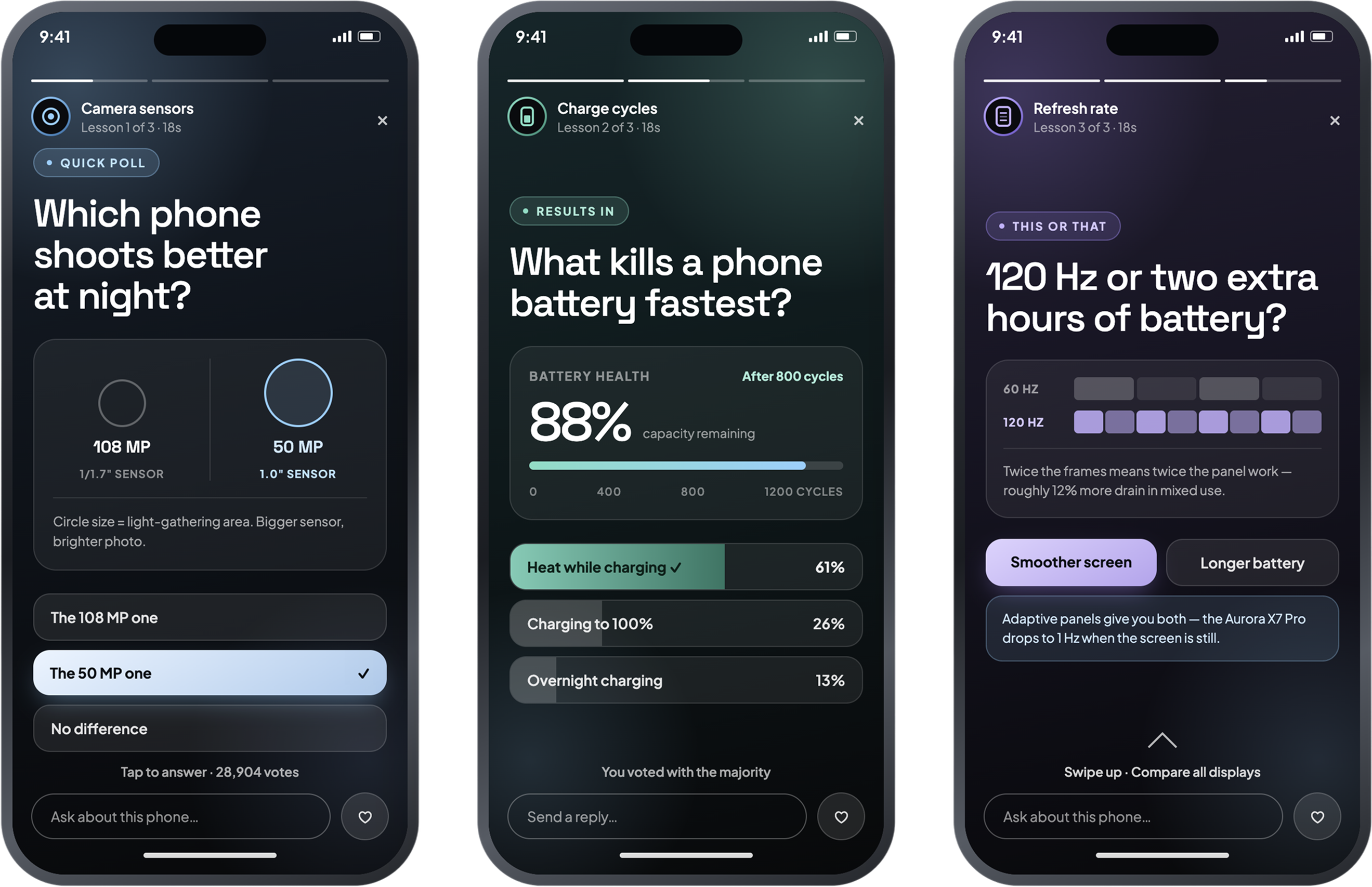
2. Focus on high-intent topics
Stories perform best when they answer:
- “what should I buy?”
- “what’s the best option?”
3. Optimize for Google Discover
Think beyond SEO rankings. Design content for:
- mobile visibility
- quick consumption
- visual appeal
4. Scale through templates
Use repeatable formats like:
- top 10 lists
- comparisons
- quick guides
This keeps production fast and consistent.
The Bigger Picture: Content as a Distribution Strategy
Most platforms treat content as a way to educate users. Cashify used it as a way to scale acquisition.
Instead of asking:
- “how do we get more traffic to our content?”
They asked:
- “how do we adapt our content to where traffic already is?”
The answer wasn’t more articles. It was a different format. Web Stories didn’t replace their content strategy. They expanded it into a new growth channel.
Key Takeaways
- 1.5M monthly sessions generated through Web Stories in just two months
- 150K+ sessions on individual stories
- Stories unlocked a new organic traffic channel beyond traditional SEO
- Repurposing existing content enabled fast scaling
- Mobile-native formats increased engagement and reach
- Google distribution (Discover, search) amplified visibility
- Stories act as a traffic acquisition layer, not just a content format