From Pageviews to Engagement Monetization: How Publishers Are Rethinking Revenue
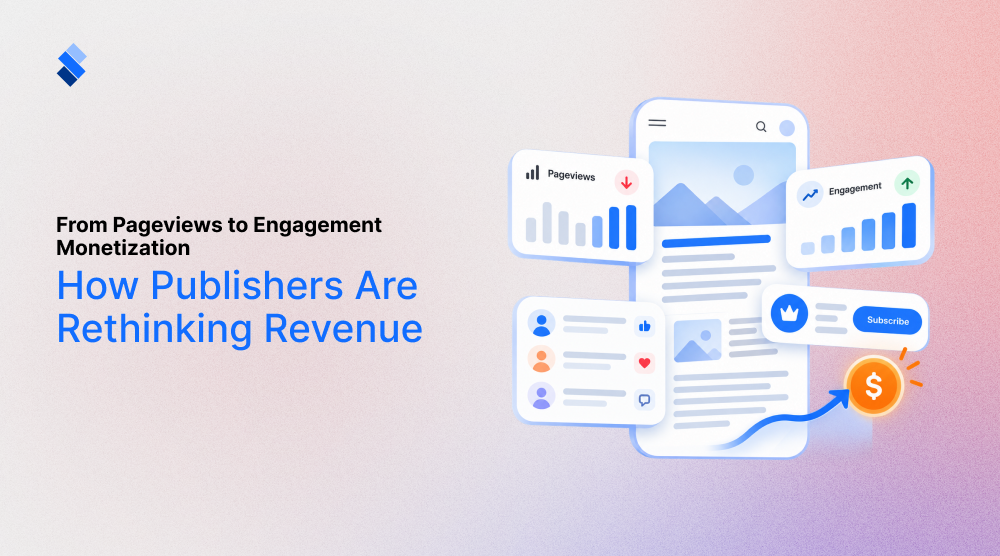
For close to two decades, the pageview was the closest thing digital publishing had to a universal currency. More pageviews meant more ad impressions, more ad impressions meant more revenue. Simple, intuitive, easy to keep track of. An entire editorial and commercial machine was built around this, and the main goal was to increase traffic.
This is no longer the case. While pageviews are still an important metric, they don't tell the whole tale, especially when it comes to engagement and monetization, Changes in content types, attention spans, and user experience have made it necessary for publishers to broaden their analysis and rethink revenue. So, let's see what they came up with.
Why the pageview model is out of date
The pageview economy worked because it was simple. It gave publishers, advertisers, and platforms a shared unit everyone could make sense of. But simplicity came at a cost: it rewarded quantity over quality. While it worked for a decent while, publishers optimized themselves into a corner. Content got chopped into smaller pieces to inflate page counts. Headlines got engineered for curiosity rather than clarity. Editorial choices increasingly addressed a online traffic dashboard instead of what actual readers would read.
Search engines dealing with AI
For a decent while, this approach worked. But it depended on one thing staying constant: a steady, growing supply of visitors arriving from search and social. Alas, that supply is no longer steady. Search engines are answering questions directly on the results page, which means fewer users ever need to click through to a publisher's site to get what they came for. Some SEO managers describe this bluntly, framing AI-generated overviews as a direct hit to the traffic. Whether or not the remaining clicks convert at a higher rate, as some platforms argue, doesn't matter much for a business that depended on volume in the first place.
Social media keeps to itself
Social platforms have their own version of the same story. Algorithms increasingly favor content that keeps users inside the app. This leads to links out to publisher sites getting suppressed in favor of native video, native carousels, and native everything. A publisher can still build a following on social media, but that following belongs to the platform's inner workings, not to the publisher.
Advertisers are adapting
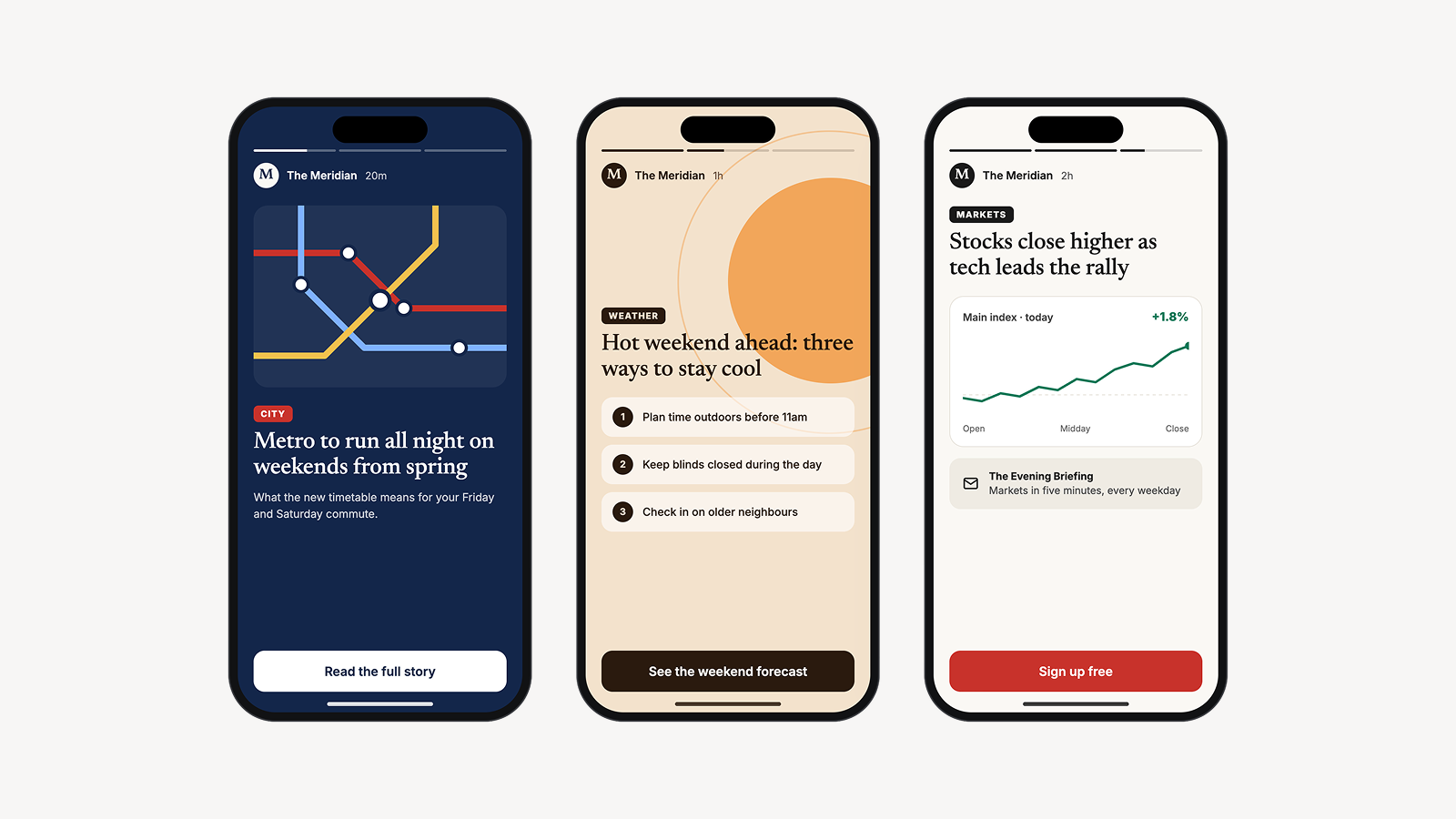
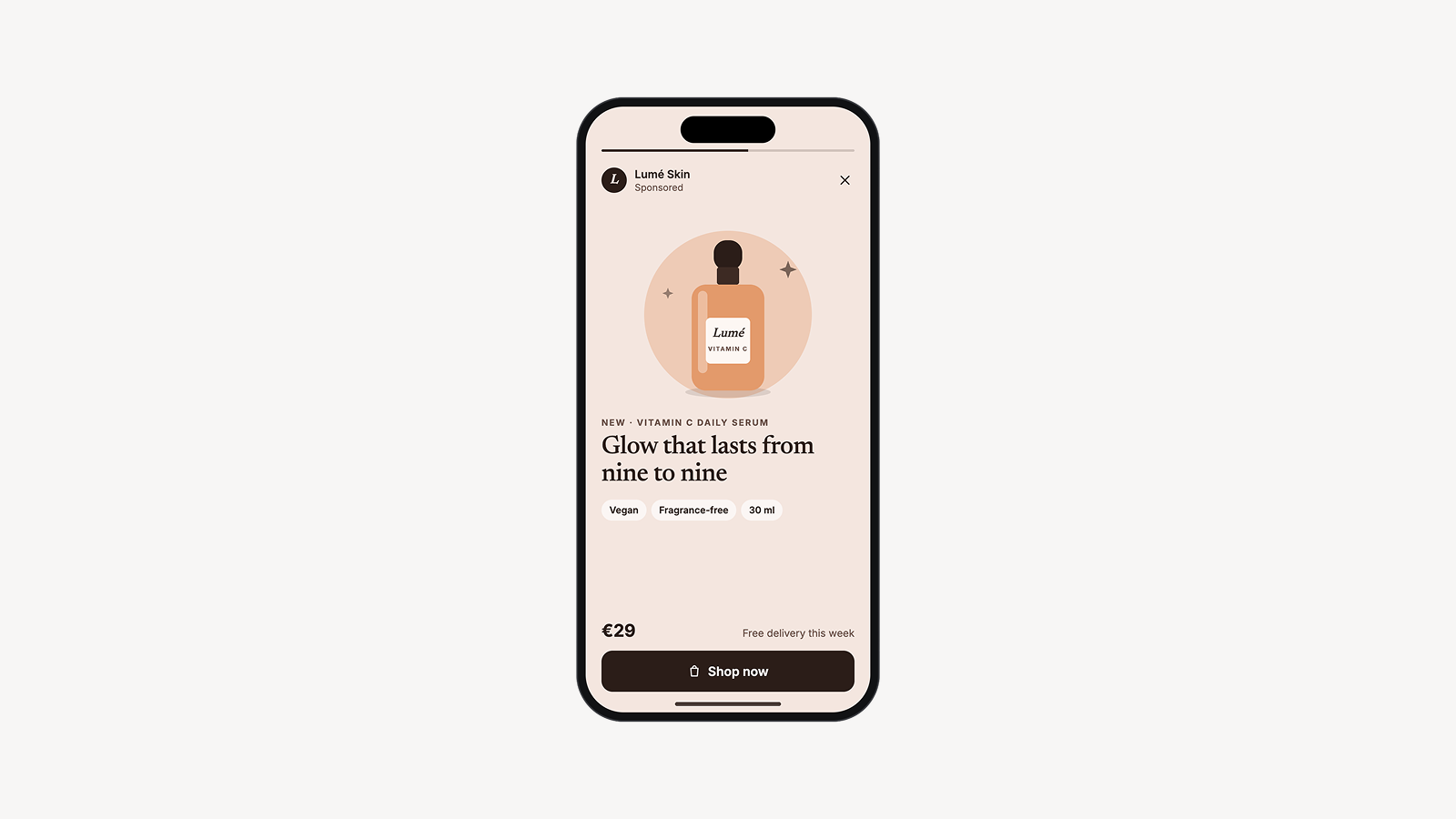
Layered on top of all this is a slower, quieter shift in advertiser behavior. Buyers are moving away from paying for raw impressions and toward paying for outcomes they can actually verify, like attention, completion and meaningful interaction. This has been going on for a while as open-market CPMs have been loosing value for years. The response from ad tech has mostly been to push more toward curated, higher-confidence engagment. Publishers chasing scale for its own sake are competing for a shrinking, less valuable slice of the pie. Meanwhile, a publisher that can prove depth of engagement is at a considerable advantage.
Tackling engagement monetization
The phrase gets thrown around loosely, so it's worth being precise. Engagement monetization is the practice of pricing your audience's behavior (time spent, content completed, actions taken, return visits made) rather than pricing the raw fact that a page loaded. So instead of a dollar per view, you are looking into dwell time and interaction. Doing so treats each visitor less like a single transaction and more like the start of a relationship that becomes more valuable the longer it lasts. In practice, this shows up as a handful of overlapping monetization strategies, and most publishers making real progress are running several of them at once rather than betting on just one.
Registration and the second visit
One of the clearest patterns among publishers monetizing engagement is focusing on what happens after the first visit. Don't get us wrong, first impressions are important. But if you focus solely on them, you render yourself blind when it comes to loyalty, reengagement, and meaningful interactions.
The publishers pulling ahead are treating loyalty as a core problem. One-off visitors aren't something you should build your entire marketing on. Instead, savvy publishers look to design specifically for the second and third visit. That means investing in real-time messaging, onboarding flows, and personalization the way a software company would. Going from discovery to registration, registration to habit, and habit to monetization, An anonymous pageview tells you almost nothing you can act on. A returning, logged-in reader tells you a great deal.
First-party data as leverage, not just insight
If you are only looking for pageviews, you can rely on third-party data. Hiring a marketing company and outlining who you are trying to target is going to be more than enough to get simple views. But if you are looking for something deeper and more stable, you need to invest in first-party data.
It is by no means a secret that modern publishing relies heavily on managing user expectations. This goes not only for the selection of topics, but also narrative style, depth of analysis, and overall presentation. This type of information is not something you can get from a marketing company. Instead, you gather it yourself. First-hand knowledge of who your audience is and what they like is invaluable, especially when it comes to monetization, Also know that gathering first-party data means convincing someone to interact with your brand on a meaningful level. This alone breeds trust and helps establish a long-term relationship. So, on more levels than one, first-party data is a goldmine for retail media and publishers alike. And the more you invest in it, the better you'll be able to handle not only monetization, but your brand as a whole.
Subscriptions, membership, and direct support
Subscriptions are the most visible expression of engagement monetization, and by now most major publishers have some version of a paywall, a membership tier, or a donation model layered onto their core content. But the more interesting development isn't the existence of subscriptions themselves. They've been around for years. It's how publishers are using engagement data to decide who to ask, and when.
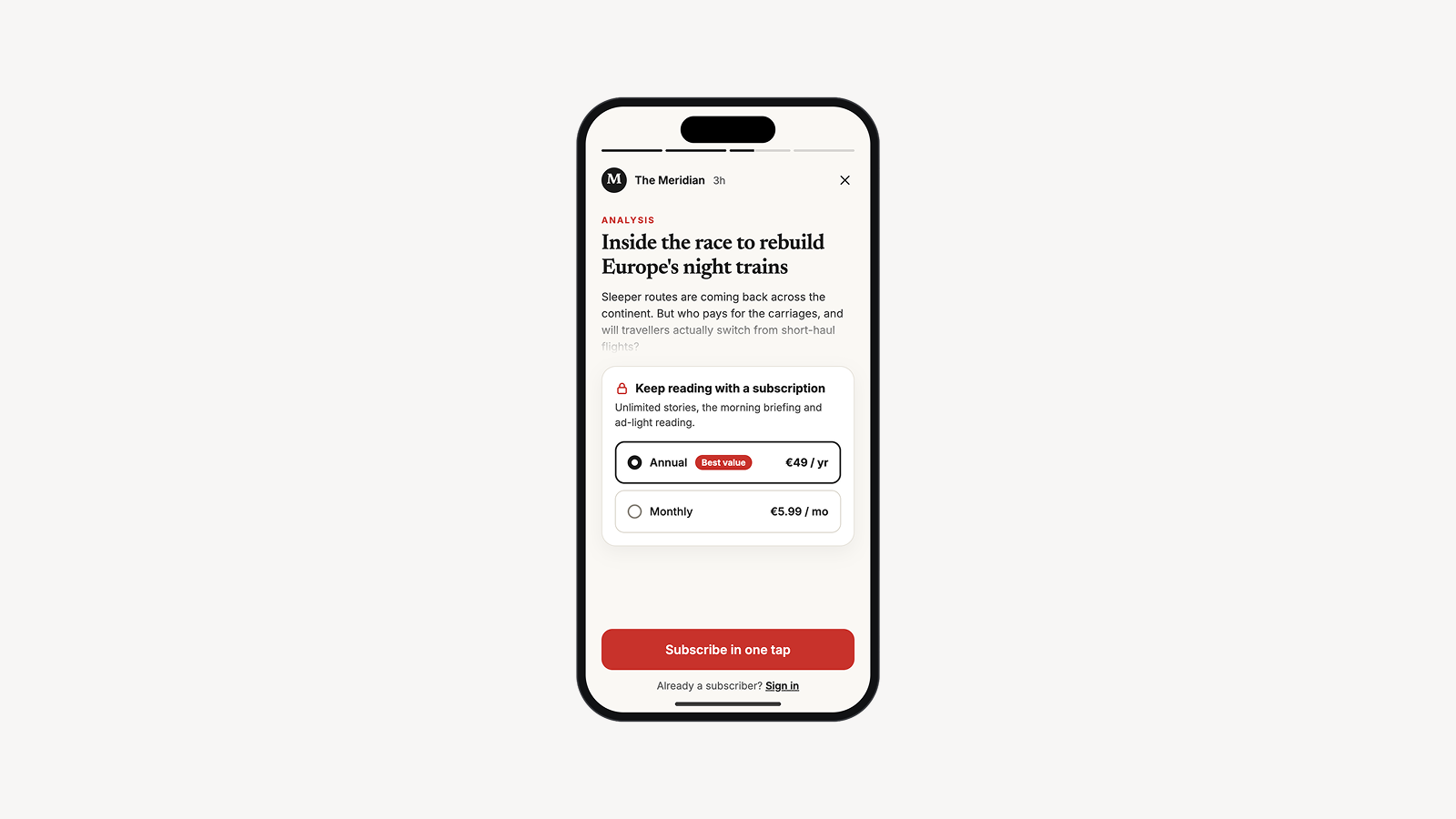
Instead of showing every visitor the same generic paywall after three articles, sophisticated publishers now use engagement scoring to identify readers who show subscription-like behavior. Frequent return visits, long session times, specific topic loyalty... All these are used to lower the paywall friction and ensure the conversion from a viewer to a subscriber.
Owned channels and the return of direct relationships
Even if we ignore the increasingly closed-off nature of social media apps, there is another issue to consider. For years, the dominant strategy was to pour resources into growing a social media presence and let referral traffic do the rest. That approach is not only becoming ineffective as social media apps tend to lead people back to them. But it also puts you at the mercy of platforms you don't control. Platforms that can change an algorithm, throttle organic reach, or restructure a feed overnight, with no recourse available.
So, the better alternative is investing more heavily in owned media. Email newsletters, apps, on-site communities, and content formats you can fully. Owned channels don't come with the ad clutter or algorithmic noise of social feeds. And it is precisely that clarity that translates directly into stronger, more monetizable engagement. A reader who opens a newsletter chose to be there. A reader scrolling a social feed is one of thousands of competing signals fighting for a few seconds of attention. Engagement built on owned infrastructure tends to be deeper, more trusted, and considerably easier to turn into revenue.
What this looks like for AI-driven discovery
There's a further wrinkle that makes engagement monetization more necessary. Namely, AI answer engines and chat assistants are becoming a meaningful discovery layer of their own. When a reader's question gets answered directly inside an AI summary, the publisher may get cited, but they don't necessarily get the visit. No visit means that there are no views for the old pageview-based ad model to monetize.
Publishers who have already built engagement into their business model are in a better position here, because their revenue doesn't depend entirely on a click happening in the first place. A subscriber base, a loyal newsletter list, or an app with daily habitual use still generates value, even if you don't get as many views. Being cited by an AI assistant can even become a new form of top-of- funnel discovery, feeding readers into owned channels rather than replacing them. But this is only for publishers that have somewhere durable to send that attention once it arrives.
Frequently asked questions
What does "engagement monetization" mean?
It means pricing and selling revenue against measurable audience behavior. The metrics that outline it include engaged time, scroll depth, video completion rate, return visit frequency, registration and login rate, and subscriber lifetime value.
How is engagement monetization different from traditional ad-based revenue?
Traditional ad revenue is priced per impression or per pageview, regardless of whether a reader engaged with the content. Engagement monetization prices the relationship instead.
Why are pageviews becoming less valuable to publishers?
Because the pageview is outdated. Search increasingly answers queries directly without a click, social platforms suppress outbound links to keep users on-platform, and advertisers are shifting spend toward inventory they can verify rather than paying for raw impressions.
Does this mean publishers should stop caring about traffic?
No. Traffic still matters as a discovery mechanism and a top-of-funnel input. The shift is about what happens once a reader arrives. Whether that visit will turn into a registered, returning, monetizable relationship, rather than a one-time pageview.
Can a publisher run pageview-based and engagement-based revenue models at the same time?
Most do, at least during the transition. Open-market programmatic advertising often continues to run on a pageview or impression basis, while direct sponsorships, subscriptions, and premium ad deals get priced against engagement data.
How does engagement monetization change the way advertising gets priced?
Instead of a flat CPM applied evenly across all traffic, ad inventory gets tiered by engagement quality. A highly engaged, logged-in reader can command a materially higher rate than an anonymous, single-visit one. Some publishers now sell against engaged-time thresholds or completion rates directly, rather than impressions alone.
What tools do publishers typically use to track engagement?
Chartbeat and Parse.ly are common for real-time, engaged-time, and attention analytics. CDPs (customer data platforms) and CRM-style tools handle registration, segmentation, and lifecycle messaging once a reader is logged in. Google Analytics 4 covers baseline traffic but isn't usually sufficient on its own for engagement-based pricing.
Is this shift realistic for small or independent publishers, not just major media companies?
Yes, and in some ways it's easier for smaller publishers, since they typically have fewer legacy systems and ad dependencies to unwind. A niche newsletter or small site can build registration, a loyal readership, and direct sponsorships without needing the scale that a pageview-based ad business required.
How long does it typically take a publisher to shift from a pageview to an engagement model?
There's no fixed timeline, but it's rarely a single overhaul. Most publishers ease into it. They start with registration and basic engagement tracking, then layer in personalization, subscription targeting, and owned-channel investment. The important part is to keep your readers well informed and to give them time to adjust. This can happen over a period of months to a couple of years.
Final thoughts
Meaningless page views are just that. Meaningless. You can have a hundred thousand people view your website in a day. But if none of those people actually want to engage with your content, their views, although numerous, will be for nothing. For a while, we hoped that marketing would do its "magic" and that somehow even uninterested viewers would absorb ad content. But the oversaturation of ad content has led to modern ad blockers and general ad blindness. Publishers that want to succeed need to forgo the old-school way and values, and instead embrace the new
approach. Quality over quantity. Every page view is potentially valuable. But it is up to you to make it so.